
What Should You Do If Your Roof Starts Leaking During a Storm?
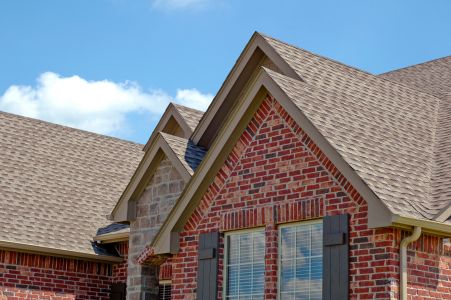
When a downpour pounds New Bern and you notice water dripping from the ceiling, you are facing a roof leak emergency. In the moment, your goal is simple: protect people first, then protect property, then call a pro. If you need fast help, our roof repairs address storm damage, hidden leaks, and active drips so you can stop the spread of water and safeguard your home.
Roof Leak Emergency Steps In New Bern, NC
Storms along the Neuse and Trent Rivers can push rain sideways, drive water under loose shingles, and fill gutters in minutes. Focus on safety and damage control inside the home until the weather clears and a licensed roofing contractor can respond. Follow these practical steps while the storm is active:
- Protect people and pets. Keep everyone away from rooms with a sagging ceiling or active electrical flicker.
- Catch and contain water with a sturdy bin or bucket, and place towels around it to keep floors from becoming slippery.
- Move furniture, rugs, and electronics out of the drip zone. Cover what you cannot move with plastic sheeting if you have it handy.
- If you see water near light fixtures or hear crackling, turn off the power to that room at the breaker panel.
- Take clear, time-stamped photos and short videos of the leak and any visible stains for your insurance claim.
- Call a trusted roofing contractor as soon as it is safe to do so. Share what you are seeing and when the leak began.
These actions reduce damage without taking risks on a wet roof. New Bern neighborhoods like River Bend, Trent Woods, James City, Historic Downtown, and Fairfield Harbour often see quick-moving summer storms that pass in under an hour. Once the wind settles, pros can inspect the roof surface and attic to find the water’s path.
Short coastal bursts can lift shingles even when the roof looks fine from the street. A small ceiling spot today can turn into a bigger stain tomorrow if the underlayment is compromised. Catch water early, document everything, and schedule professional service quickly to limit repairs.
What Not To Do During A Storm
Storm conditions are unpredictable. It is tempting to grab a ladder or try a quick patch, but that can create bigger problems. Keep these safety rules in mind:
- Stay off the roof. Wet shingles and wind gusts make even a short climb extremely dangerous.
- Do not touch wet electrical fixtures. If a light or outlet is damp, switch off the breaker first and wait for a pro.
- Do not poke or drain a heavily sagging ceiling yourself. It may release gallons of water suddenly and collapse.
- Avoid placing ladders near power lines or trees swaying in the wind.
- Skip DIY tarps during a storm. A professional roof tarp service has the right harnesses and anchors for safe, secure coverage.
These don’ts protect your family and preserve your claim. Adjusters prefer that homeowners take reasonable steps to stop indoor damage but avoid risky work on the structure itself.
How Pros Stop The Leak And Protect Your Home
Once the weather clears, a swift professional response makes all the difference. Here is what a qualified crew typically does during storm damage roof repair in our area:
First, they trace moisture from the ceiling stain up through the attic, checking decking, rafters, and penetrations like chimneys, vents, and skylights. Thermal cameras or moisture meters help confirm a leak path that is not visible to the eye. Next, they install an emergency dry-in. This may involve a heavy-duty tarp or shrink-wrap membrane secured to sound decking so wind cannot lift it. If shingles are missing, they will seal exposed nail holes and flashing with professional-grade materials to keep new rain out.
Inside the home, they may coordinate with water mitigation teams to remove wet insulation, set dehumidifiers, and dry the space to reduce the chance of mold. Finally, they propose a permanent repair plan that fits your roof type and age. If a full replacement is not necessary, targeted roof repairs can restore watertight protection while matching existing shingles as closely as possible.
Insurance, Photos, And Documentation That Help Claims
Storm leaks often qualify as covered events, but the process varies by policy. Good records speed things up. Use your phone to take wide shots that show location, then close-ups that show detail. Photograph the same areas after temporary protection is installed so the insurance company can see both the problem and the response. Keep receipts for temporary lodging, drying equipment, or emergency services recommended by your insurer.
During the adjuster visit, point out any stained insulation, damp decking, or water trails you noticed in the attic. If you collected water in buckets, mention how fast they filled and for how long. Ask your contractor to be there if possible. Many adjusters value on-site input from the pro who inspected the roof and can describe the failure at the flashing, ridge, valley, or penetration.
When To Call A Roofing Contractor In New Bern
Some leaks look small at first. Do not wait. Call when you notice any of the following:
- Brown ceiling rings that grow after each storm.
- Active drips, even if they stop when the rain ends.
- A musty smell in a room beneath the attic, especially near bathrooms or chimneys.
- Shingles on the lawn after wind or a tropical system.
- Daylight shining through roof boards in the attic.
If you live in areas like Carolina Colours or along Brices Creek, wind-driven rain can push under ridge caps and along step flashing. A quick call to a local roofing contractor gets you on the schedule before the next round of weather. For immediate assistance, reach Ironclad Roofing at 252-526-0312 and tell us what you are seeing. We will ask a few simple questions so the crew brings the right materials to secure your home on arrival.
Why Leaks Happen During Coastal Storms
Even a well-built roof can leak under the right conditions. In Eastern North Carolina, short, intense cells and tropical systems create sharp wind shifts and heavy bursts of rain. Water works like a detective. It looks for the easiest path. Common entry points include aged pipe boots, lifted shingles at the eaves, worn flashing around walls, and nail pops along ridges. Sometimes the leak is not where the drip appears. Water can travel along rafters and show up ten feet away in a ceiling corner.
Homes near marshy areas or open water see stronger gusts. Salt air and sun also age materials faster over time. If your roof is already nearing the end of its service life, high winds can lift edges that were fine last week. That is why a quick leaking roof fix after the first sign of trouble is the smartest move.
How To Prepare Before The Next Storm
Preparation does not mean climbing the roof. It means planning with professionals. Set up seasonal checkups before hurricane season and again in late fall. Ask for a photo-rich report of vulnerable areas like skylight curbs, chimney counterflashing, and valleys. If tree limbs hang over the roof, schedule trimming with a certified arborist so branches cannot scrape shingles during gusts. Proper attic ventilation and insulation levels also help by reducing condensation that can confuse leak detection after a storm.
Consider this short planning list you can handle from ground level or by scheduling service:
- Arrange a professional inspection twice a year focused on flashing, penetrations, and edges.
- Have gutters and downspouts cleaned and checked for secure attachment so water moves away from fascia.
- Discuss wind-rated materials and fastener patterns that suit coastal weather with your roofer.
- Confirm you know where your main breaker is and how to shut off a single circuit safely.
- Keep an emergency contact list that includes your insurer and a preferred emergency roofing service.
These steps are about readiness, not DIY repairs. They reduce the chance of future leaks and make any claim smoother if a storm still forces water inside.
What To Expect From A Professional Emergency Visit
When a crew arrives, they will begin with safety checks, then isolate the source. Expect ladder placement away from landscaping, roof access with harnesses, and a careful inspection that avoids causing extra damage. They may remove a few shingles to see the deck, then seal and reset them. If a large area is compromised, they will recommend a temporary dry-in and a return visit for permanent work when materials are available and the roof is fully dry.
Good contractors also protect the inside of your home. They lay down runners, cover walkways, and communicate clearly about next steps. You should get a written summary of what was done, what was found, and what is still needed. Clear communication builds trust and helps you make decisions without pressure.
Common Questions Homeowners Ask During A Leak
Many New Bern homeowners ask whether they should wait until the rain stops to call. The answer is no. Make the call during the storm and leave a message if lines are busy. Early calls help contractors prioritize routes in the neighborhoods hit hardest. Others want to know whether a tarp is always required. Not always. Sometimes, a small flashing repair or sealing a lifted shingle is enough once the surface is dry. A professional will decide the safest, most effective option after seeing your specific roof.
If ceilings are stained but not dripping, place a clean bin nearby just in case. Keep kids and pets away from the area. Then wait for guidance from the crew. They may ask you to photograph the spot at set times to track whether it grows before they arrive.
Get Fast, Local Help You Can Trust
Leaks are urgent, but solutions do not have to be stressful. Ironclad Roofing serves homeowners throughout New Bern and nearby communities with quick response, careful diagnostics, and lasting repairs. Whether the issue is a lifted shingle, aging flashing, or wind-driven rain, we will secure your home and guide you through the next steps with clear updates at each stage.
When storms hit, our team prioritizes emergency calls, arrives with materials for temporary dry-ins, and coordinates with mitigation partners if interior drying is needed. If you are comparing options for storm-damage roof repair or a roof-leak emergency, start with a quick conversation. Our scheduler will confirm your address, review safety notes, and align an arrival window based on weather and access.
For immediate service in and around New Bern, reach our team at 252-526-0312. You will speak with a local coordinator who understands our weather patterns and common leak paths in coastal North Carolina homes. If you prefer to read more before calling, explore how our team handles complex leaks and targeted storm-damage roof repair in different roof systems.
Need fast storm damage roof repair for a roof leak emergency in New Bern? Contact Ironclad Roofing today.
