
How Can You Tell If Storm Damage Has Compromised Your Roof? A Storm Damage Roof Inspection Guide for Goldsboro, NC
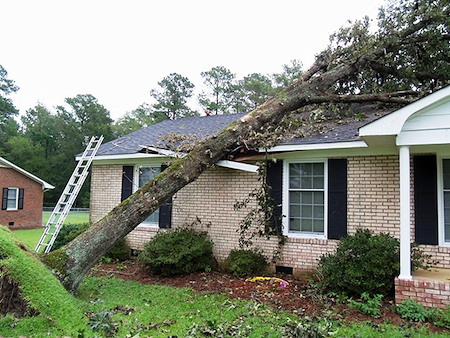
When a hard summer storm sweeps across Goldsboro, it can leave more than puddles behind. Your roof takes the first hit from wind, hail, and flying debris. Knowing the signs of trouble and scheduling a professional storm damage roof inspection can prevent a small issue from turning into interior leaks and mold.
Ironclad Roofing specializes in storm damage repairs for homeowners across Goldsboro, Rosewood, Mar-Mac, Elroy, and nearby communities. We help you understand what to watch for and what a pro looks at, so you can feel confident about your next step.
What Storm Damage Looks Like On Goldsboro Roofs
After a storm, you may notice changes outside or inside your home. Do not climb on your roof. Look from the ground, at the edges, and from safe upstairs windows with good light. If you see any of the signs below, it is time to call a pro for a full roof assessment.
- Missing, torn, or creased shingles that look bent back from wind pressure.
- Dark bruises, circular dents, or broken edges on shingles that point to hail impacts.
- Shingle granules collecting in gutters or at the ends of downspouts.
- Dented metal on ridge vents, gutters, downspouts, or flashing around chimneys and walls.
- Tree limbs or debris that struck the roof, even if they bounced off.
- Water stains on ceilings, attic sheathing, or around light fixtures after rain.
Shingle roofs in neighborhoods like North Berkeley Boulevard and around Seymour Johnson AFB often face gusty outflow winds during summer storms. These winds can lift the leading edge of shingles and stress sealant strips, which may not show right away. Small leaks can spread fast along rafters and drywall, so quick attention matters.
Storm Damage Roof Inspection: What A Pro Checks First
A qualified inspector follows a consistent process. The goal is to map out where the roof is sound, where it is stressed, and where it is compromised. Here is how a professional roofing contractor approaches your roof in Goldsboro.
Look from the ground and from safe vantage points only. The technician notes tree impacts, gutter overflow, fascia damage, and signs of wind patterns across slopes. They document with photos that show both close detail and wide context.
Next, the roof covering is evaluated for wind-lift, creases, and hail bruising. On asphalt shingles, hail often leaves soft spots where granules are crushed into the mat. Wind may crease shingles in a straight line along the course. Flashing at walls, chimneys, and valleys is checked for impact dents or loosened fasteners. Vents and pipe boots are common weak points after hail.
Inside, the attic tells the truth. Moisture staining, damp insulation, and daylight near penetrations help confirm whether water is entering. The inspector may use a moisture meter at suspect areas. All findings are grouped into repairable items versus sections that need replacement to maintain a weather-tight system.
Hail, Wind, And Debris: How Each Type Harms Your Roof
Every storm is different. Understanding how each force behaves helps explain why your roof shows certain patterns of damage.
- Hail damage roof repair starts with careful mapping. Hail can bruise shingles without breaking them clean through. Dents on soft metals like roof vents and gutters confirm size and direction, while shingle bruises reveal where protective granules are gone.
- Wind damage shingles often appear creased or lifted along the bottom edge. Repeated gusts weaken sealant bonds and can break nails loose, allowing water to drive under the shingle courses.
- Debris strikes from branches or wind-blown items can crack shingles, dent metal, or dislodge flashing. Even if debris slides off quickly, a cracked shingle can let water travel under the surface and show up in ceilings days later.
In parts of Wayne County with mature trees, like sections of Rosewood and Mar-Mac, debris impacts are common after strong cells move through. Along open areas near fields, high straight-line winds can stress the windward slopes of a roof more than the leeward side.
Local Clues Unique To Goldsboro, NC
Goldsboro’s warm season brings pop-up thunderstorms and the late-summer risk of tropical systems. The pattern often means quick bursts of heavy rain, short windows of hail, and strong gusts. Roofs with prior sun wear can lose granules faster under hail. Coastal moisture that tracks inland can push water under loose shingles and through compromised flashing, especially around vents and valleys.
Homes near busy corridors like Berkeley Boulevard may collect more granules and debris in gutters, which can hide the early signs of damage. In neighborhoods with larger pines and hardwoods, overhanging branches can brush shingles during wind events, scuffing the surface and opening paths for water over time.
Safety first: stay off the roof after a storm. Watch for downed wires, loose limbs, and slippery surfaces. A trained inspector has the equipment and safety steps to assess storm damage without risking injury.
Roof Damage Signs You Should Never Ignore
Some red flags suggest the roof system may be compromised and needs prompt attention from a pro. If any apply to your home, schedule an assessment right away with a local roofing contractor.
Warning signs include multiple missing shingles in a cluster, shingles that flap in a breeze, water stains that grow between rains, musty attic odors, and damp insulation. Dents on ridge vents or gutters paired with shingle bruises point to hail. Bent or lifted flashing where a lower roof meets a wall is a classic leak pathway.
If you are unsure, start with a quick, professional storm damage roof inspection in Goldsboro, NC. It confirms the health of the system and helps you decide the right repair plan before the next storm arrives.
Insurance Roof Inspection And Documentation
An insurance roof inspection focuses on accurate documentation of storm-related impacts. Your inspector will take date-stamped photos, mark slopes, and outline where damage is present versus normal wear. Clear documentation helps everyone speak the same language about the roof’s condition.
Keep any photos you took from safe locations along with the pro’s report. If a claim is appropriate, your adjuster will compare findings. The goal is a fair, complete scope so repairs return your home to a watertight state. The right partner coordinates respectfully with carriers while keeping your home’s long-term performance first.
When To Call For Roofing Repair Service
Timing matters. Water follows the path of least resistance and can spread behind walls or across ceilings. Call as soon as it is safe if you notice any of the following:
- Drips, stains, or bubbling paint after a recent storm.
- Clusters of missing or creased shingles on the same slope.
- Dented metal components that suggest hail struck the roof.
- Debris impacts, especially near valleys, chimneys, or skylights.
In many Goldsboro homes, a targeted repair can stop a leak and protect the structure. In other cases, sections need replacement to restore a continuous water-shedding surface. Your inspector will explain why a specific fix is recommended and how it protects your roof system through the next season.
If your home in Rosewood, Parkwood, Elroy, or near Downtown took a recent hit, Ironclad Roofing can prioritize a same-week visit during peak storm periods. Our team focuses on weather-tight repairs that match existing materials so your roof looks right and performs right.
What To Expect From A Professional Roof Assessment
A thorough assessment answers three questions: where damage is, how water could move through it, and which repair or replacement action will restore a durable seal. You will receive a clear explanation, photos, and a plan that fits your roof type and age. Materials and timelines vary by home, roof style, and season.
Good assessments also look at related components. Gutters that are dented or sagging can overflow and force water behind fascia. Damaged ridge or box vents can let rain enter on windy days. Addressing these items protects your repair and reduces the chance of repeat issues.
Why Choose Ironclad Roofing For Storm Damage Repairs
Goldsboro homeowners count on responsive service, honest guidance, and work that lasts. Ironclad Roofing is local, trained for wind and hail diagnostics, and focused on keeping families dry through our intense summer weather.
Here is what you can expect when you call 252-526-0312:
- Clear evaluation and photos that show roof damage signs in plain language.
- Recommendations that prioritize a weather-tight seal and long-term performance.
- Coordinated scheduling that respects your time and keeps you informed.
Want to learn more about how roofs behave in storms? Browse our latest roofing tips for practical guidance tailored to local weather.
Your Path Forward After A Storm
First, stay safe and protect the inside of your home. Second, get a professional opinion you can trust. Call a licensed roofing contractor as soon as it is safe. If the inspection confirms storm-related issues, we will outline your options and a timeline that fits your needs.
When you are ready, request a visit for dedicated storm damage repairs. Our team serves Goldsboro, Pikeville, Dudley, and surrounding areas with skilled service and clear communication.
Take The Next Step
If a recent storm has you worried, let Ironclad Roofing perform a detailed roof assessment and explain the best path to a solid, watertight roof. Schedule your visit today for trusted storm damage repairs or call 252-526-0312 to speak with a specialist.
